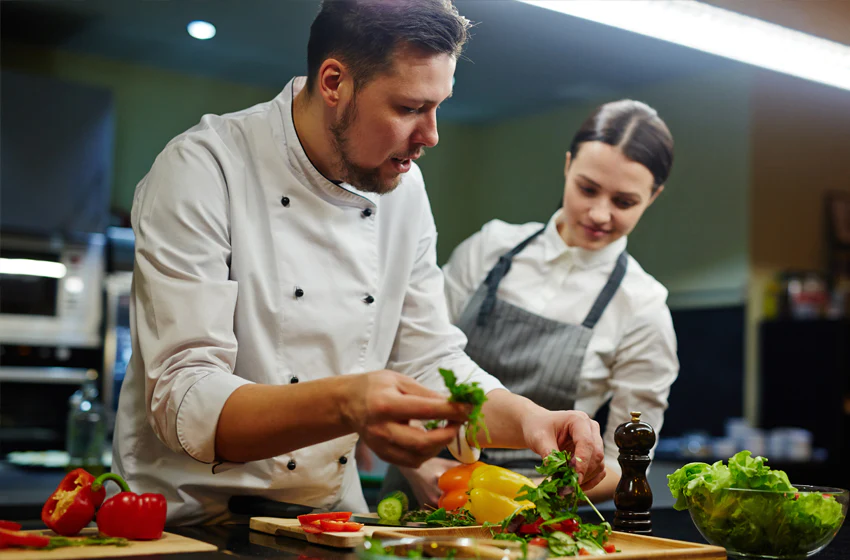
The role of a chef extends far beyond the confines of the kitchen—it is a profound blend of artistry, innovation, leadership, and cultural stewardship. A chef isn’t merely someone who cooks; they are creators who weave stories into every dish, harmonizing flavors, textures, and influences to craft experiences that nourish both body and soul. From the rigorous discipline of mastering techniques to inspiring teams and shaping culinary trends, the chef’s journey is one marked by passion, resilience, and vision. This article offers a refined, original exploration into the multifaceted world of chefs, highlighting their essential skills, evolving roles, creative processes, and lasting impact on cuisine and society.
Redefining the Chef: Beyond the Culinary Craftsman
A chef today is a professional who melds expert knowledge of ingredients, cooking methods, and kitchen management with creative intuition and strategic planning. Modern chefs transcend food preparation—they are innovators embracing tradition while pioneering contemporary concepts, inspirational leaders nurturing dynamic teams, and storytellers imparting culture and emotion through cuisine.
Each plate a chef presents tells a narrative, inviting diners on a sensory journey rich with flavor, heritage, and imagination. The chef’s role balances precision and intuition, transforming cooking into an immersive, evocative art form.
Essential Skills and Attributes That Define the Exceptional Chef
Mastery in the culinary world demands a harmonious blend of technical expertise and personal qualities:
-
Culinary Excellence: Command of diverse cooking techniques, flavor layering, seasoning artistry, and elegant plating are foundational to consistently outstanding dishes.
-
Creative Vision: Great chefs push boundaries—reinterpreting classics, incorporating unique ingredients, and crafting innovative presentations that captivate palates and imaginations.
-
Inspirational Leadership: Effective communication, motivation, and team management foster an energized and collaborative kitchen culture.
-
Attention to Detail: From ingredient sourcing and hygiene to timing and visual finesse, meticulousness ensures quality and uniformity.
-
Physical and Emotional Resilience: Thriving amid the intensity of fast-paced kitchens requires stamina, composure, and mental fortitude.
-
Business Acumen: Skills in budgeting, procurement, inventory control, and guest engagement underpin a chef’s broader success.
-
Cultural Sensitivity: Embracing global cuisines and dietary trends broadens creative horizons and fosters inclusive menu development.
The Culinary Journey: From Apprentice to Visionary
The chef’s path is marked by deliberate growth and lifelong learning:
-
Foundational Experience: Many begin with apprenticeships, line cook roles, and formal culinary education that build skills, discipline, and scientific understanding of food.
-
Specialization and Ascension: Chefs often specialize in areas like pastry, butchery, or ethnic cuisines, advancing through ranks to sous chef and executive chef positions, progressively expanding their responsibilities.
-
Continuous Evolution: Remaining relevant means embracing new techniques, sustainable practices, and gastronomic trends, blending respect for heritage with innovation.
The Expansive Role of Today’s Chef
Beyond cooking, modern chefs engage in multifaceted roles that shape overall dining experiences:
-
Menu Architect: Designing balanced, seasonal menus reflecting flavor trends, nutritional insights, and cultural diversity.
-
Quality Champion: Overseeing ingredient sourcing, hygiene standards, and culinary consistency across all services.
-
Team Builder: Recruiting, training, and inspiring staff to cultivate a motivated, skilled culinary brigade.
-
Guest Engagement: Sharing narratives around dishes, personalizing dining journeys, and fostering a memorable connection.
-
Sustainability Advocate: Leading efforts in ethical sourcing, waste reduction, and eco-conscious kitchen operations.
Culinary Presentation: The Language of Visual Storytelling
Presentation transforms food into a multisensory narrative. Through artful arrangement, contrasting textures, and vibrant color palettes, chefs compose plates that speak beyond taste. Elements like edible flowers, sculpted sauces, and layered garnishes invite anticipation and elevate the dining ritual into an elegant story.
Navigating Challenges: The Chef’s Resilience and Strategy
The culinary profession is demanding, presenting unique challenges:
-
High-Pressure Dynamics: Maintaining calm, clear communication, and collaborative spirit in the whirlwind of a busy kitchen is essential.
-
Physical Endurance: Managing fatigue and promoting wellbeing through proper ergonomics and self-care sustains career longevity.
-
Consistency: Employing standardized recipes, rigorous staff training, and continuous quality assurance secures reliable excellence.
-
Agility: Adapting to evolving tastes, dietary needs, and sustainability goals keeps chefs at the cutting edge.
-
Cost Management: Balancing premium ingredient sourcing with cost efficiency supports financial health without compromising quality.
Successful chefs embody a blend of discipline, adaptability, and leadership that fosters both innovation and stability.
Advice for Aspiring Chefs
-
Commit to comprehensive culinary education coupled with diverse, hands-on experiences.
-
Cultivate patience, resilience, and a growth mindset open to feedback and new ideas.
-
Develop strong leadership and communication skills alongside technical prowess.
-
Expand culinary knowledge through immersion in global cuisines and nutrition science.
-
Prioritize physical and emotional health to sustain long-term success.
-
Build mentorships and professional networks to support continuous development.
The Chef as Cultural Ambassador and Social Innovator
Chefs play vital roles in preserving and innovating culinary heritage, introducing diners to diverse flavors while fostering cultural exchange. Many leverage their influence to champion social causes—from nutrition education to food equity and sustainability—leading change beyond the kitchen walls.
Conclusion: The Chef as Visionary Creator and Leader
Chefs epitomize the fusion of technical mastery, artistic expression, leadership, and cultural celebration. Their craft elevates cooking from nourishment to an evocative experience that connects people, histories, and ideas.
Driven by passion and guided by discipline, chefs shape not only the plates before us but also the social fabric around the dining table. The chef’s journey is one of endless possibility—each plate a testament to the transformative power of culinary artistry and human creativity.