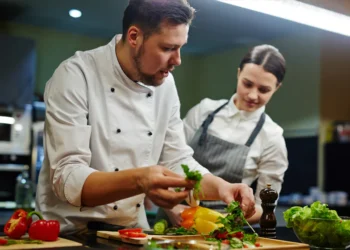
The role of a chef extends far beyond cooking; it is a distinguished craft that blends creativity, precision, leadership, and cultural storytelling. A chef is both an artist and a conductor—harmonizing flavors, techniques, and team dynamics to transform raw ingredients into memorable dining experiences that nourish, inspire, and celebrate heritage. This article delves into the multifaceted world of chefs, exploring their skills, responsibilities, creative journeys, and the profound impact they have on both food and society.
Defining the Chef: Beyond Culinary Skill
At its essence, a chef is a professional culinary artist who expertly combines knowledge of ingredients, flavors, and cooking techniques with operational management to craft exceptional cuisine. However, the modern chef’s role transcends the kitchen: they are innovators blending traditional recipes with contemporary trends; leaders who cultivate, inspire, and manage kitchen teams; and storytellers who communicate culture and emotion through food.
Chefs embody both discipline and creativity. Each dish they prepare weaves technical precision with imaginative flair, transforming a meal into a narrative that connects diners with places, histories, and new culinary possibilities.
Essential Skills and Traits of Exceptional Chefs
Mastering the art and craft of being a chef requires a holistic blend of expertise and personal qualities:
-
Culinary Mastery: Proficient in a wide range of cooking techniques, flavor development, seasoning, and artistic presentation, ensuring each dish meets high standards consistently.
-
Innovative Thinking: Constantly pushing culinary boundaries by reinterpreting classics, incorporating novel ingredients, and creating exciting food experiences.
-
Leadership and Communication: Effectively guiding a team, motivating individuals, and managing kitchen operations to foster harmony and productivity.
-
Eye for Detail: Vigilance in ingredient selection, hygiene, plating aesthetics, and timing to guarantee quality and consistency.
-
Physical and Emotional Resilience: The stamina to thrive in bustling, high-pressure environments while maintaining composure and focus.
-
Business Acumen: Understanding budgeting, supplier relations, inventory, and customer engagement to run sustainable culinary enterprises.
-
Cultural Sensitivity: Awareness of global cuisines and dietary preferences to expand inclusivity and inspire creativity.
The Pathway to Culinary Excellence: From Apprentice to Visionary
The chef’s journey typically begins with foundational roles such as kitchen apprenticeships, line cook jobs, and formal culinary education. These experiences build essential skills, discipline, and scientific knowledge of food.
As chefs progress, they often specialize—whether in pastry, butchery, international cuisines, or modern gastronomic techniques. Advancing through ranks from sous chef to executive chef introduces increasing responsibilities, shifting from hands-on cooking to conceptual menu design, team leadership, and strategic management.
Lifelong learning is a hallmark of great chefs, who remain open to emerging culinary trends, sustainable practices, and technological advances to maintain relevance and inspire innovation.
The Expanding Role of the Modern Chef
Today’s chefs wear many hats, embracing roles that extend the influence of their craft:
-
Menu Architect: Crafting balanced, seasonal menus that reflect guest preferences, dietary trends, and ingredient availability.
-
Quality Gatekeeper: Ensuring sourcing integrity, food safety, and consistent preparation standards throughout service.
-
Team Builder: Recruiting, mentoring, scheduling, and nurturing kitchen professionals to foster a skilled and motivated brigade.
-
Guest Liaison: Engaging diners by sharing the story behind dishes, enhancing personalization and culinary connection.
-
Sustainability Advocate: Leading initiatives in responsible sourcing, waste reduction, and environmentally conscious kitchen management.
Culinary Presentation: The Art of Storytelling on a Plate
A chef’s artistry shines not only in taste but in visual storytelling. Through skillful use of color, texture, arrangement, and garnish, chefs compose plates that evoke anticipation and delight. Elegant touches like edible flowers, sculptural sauces, and artistic layering transform meals into sensory narratives that deepen the dining experience.
Overcoming Challenges: The Chef’s Resilience and Strategy
The culinary profession demands overcoming unique hurdles:
-
Managing Pressure: Sustaining calm, clear communication, and teamwork in fast-paced, intense kitchen environments.
-
Physical Demands: Preventing fatigue and injury through ergonomic practices and self-care routines.
-
Consistency Maintenance: Utilizing standardized recipes, rigorous training, and quality assurance to ensure reproducing excellence across shifts.
-
Trend Adaptability: Embracing evolving tastes, dietary restrictions, and sustainability goals to stay competitive and innovative.
-
Financial Constraints: Optimizing supplier negotiations and cost controls to balance quality with profitability.
Successful chefs combine discipline, flexibility, and leadership to thrive amid these challenges, fostering positive, motivated culinary teams.
Guidance for Aspiring Chefs
-
Seek comprehensive culinary education paired with diverse practical experiences.
-
Cultivate patience, curiosity, and openness to constructive feedback.
-
Develop strong leadership and clear communication skills alongside technical cooking abilities.
-
Immerse yourself in global cuisines and contemporary nutritional science to broaden creativity.
-
Prioritize both mental and physical wellness to sustain a long, fulfilling career.
-
Build mentorships and professional networks within the culinary community.
The Chef as Cultural Ambassador and Innovator
Chefs play vital roles as custodians and innovators of culinary heritage. They preserve traditional techniques while pioneering novel food concepts that broaden palates and encourage cultural exchange.
Many also champion social causes—such as nutrition education, food justice, and ethical sourcing—leveraging their prominence to advocate sustainability and equity beyond the kitchen.
Conclusion: The Chef as Visionary Artisan and Leader
Chefs embody the union of technical expertise, artistic vision, leadership strength, and cultural celebration. Their craft elevates cooking from mere sustenance to an evocative experience that nourishes body and spirit while fostering connection.
Guided by passion and sustained by discipline, chefs shape not only the plates before diners but also the social and cultural landscapes surrounding the table. For those drawn to this demanding yet rewarding vocation, the chef’s journey offers endless opportunity for mastery, innovation, and meaningful impact—each dish a testament to the transformative power of culinary artistry.