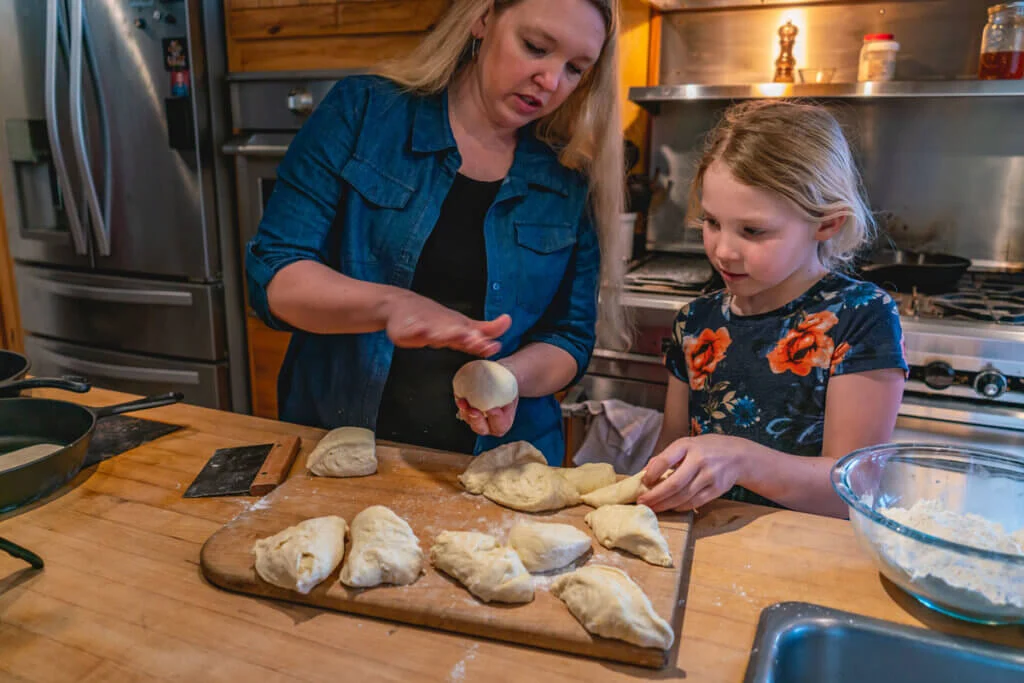
Not long ago, convenience ruled the kitchen. Ready-to-eat meals, takeout apps, and ultra-processed snacks promised speed and simplicity. Today, the tide is turning. Across cultures and age groups, homemade food is reclaiming its place at the center of daily life. This revival isn’t nostalgia alone—it’s driven by practical needs, cultural shifts, and a renewed respect for what we eat.
A Growing Awareness of Health and Nutrition
One of the strongest forces behind the comeback is health consciousness. People are paying closer attention to ingredients, portion sizes, and long-term wellness.
Homemade food offers control, something packaged meals can’t match.
-
Fewer preservatives and artificial additives
-
Better balance of nutrients
-
Reduced sugar, salt, and unhealthy fats
-
Easier accommodation of allergies and dietary needs
Cooking at home makes it simpler to align meals with personal health goals, whether that means eating cleaner, managing weight, or supporting gut health.
Rising Food Costs and Economic Practicality
Inflation and rising restaurant prices have reshaped eating habits. Dining out frequently has become a luxury for many households.
Home cooking is cost-efficient in the long run:
-
Bulk ingredients reduce per-meal expenses
-
Leftovers minimize food waste
-
Staples stretch across multiple dishes
For families and individuals alike, cooking at home has become a smart financial decision rather than just a lifestyle choice.
Reclaiming Cultural and Family Traditions
Food is deeply tied to identity. As globalization standardized fast food, many people began to feel disconnected from traditional flavors.
Homemade meals are restoring that connection by:
-
Preserving regional and family recipes
-
Passing cooking skills between generations
-
Strengthening family bonds through shared meals
Cooking together transforms food from a transaction into a shared experience.
The Influence of Remote Work and Flexible Lifestyles
With more people working from home, daily routines have shifted. Commutes are shorter or gone entirely, freeing up time once lost to traffic.
This lifestyle change encourages:
-
Home-cooked lunches instead of desk snacks
-
More intentional meal planning
-
Experimentation with new recipes
The kitchen has become a daily workspace for creativity, not just necessity.
Digital Inspiration and Skill Accessibility
The internet has lowered the barrier to cooking. What once required formal training or family mentorship is now accessible in seconds.
People are motivated by:
-
Step-by-step recipe videos
-
Online cooking communities
-
Meal-prep and time-saving hacks
-
Affordable tools and appliances
Cooking no longer feels intimidating—it feels achievable.
Sustainability and Ethical Food Choices
Environmental concerns are also reshaping eating habits. Industrial food systems rely heavily on packaging, transport, and waste.
Homemade food supports sustainability by:
-
Reducing single-use packaging
-
Encouraging seasonal and local ingredients
-
Cutting down on food waste
For many, home cooking aligns with eco-conscious values without sacrificing enjoyment.
Emotional Comfort and Mental Well-Being
Cooking is more than nourishment—it’s therapeutic. The rhythm of chopping, stirring, and tasting can be grounding in a fast-paced world.
Homemade food provides:
-
A sense of accomplishment
-
Stress relief through mindful activity
-
Emotional comfort tied to familiar flavors
In uncertain times, simple routines like cooking bring stability.
The Future of Home Cooking
This comeback isn’t a short-lived trend. It reflects deeper changes in how people value health, time, money, and connection.
As convenience foods remain available, homemade meals are no longer a replacement—they are a deliberate choice.
Frequently Asked Questions
1. Why are people choosing homemade food over restaurant meals?
Many people prefer homemade food for better health control, lower costs, and the ability to customize meals to personal tastes and dietary needs.
2. Is homemade food always healthier than packaged food?
While not automatically healthy, homemade food allows control over ingredients, making it easier to avoid excessive sugar, salt, and preservatives.
3. Does cooking at home really save money?
Yes. Buying ingredients in bulk and cooking multiple meals at once usually costs less than frequent takeout or dining out.
4. How can beginners start cooking at home without feeling overwhelmed?
Starting with simple recipes, basic tools, and short ingredient lists helps build confidence gradually.
5. Is home cooking time-consuming for busy schedules?
With meal planning, batch cooking, and leftovers, home cooking can actually save time during the week.
6. How does homemade food support sustainability?
It reduces packaging waste, encourages local sourcing, and minimizes food waste through better portion control.
7. Will the trend of homemade food continue in the future?
Yes. As health awareness, remote work, and sustainability concerns grow, home cooking is likely to remain a long-term lifestyle choice.