Running a restaurant is a constant balancing act. Margins are thin, costs creep up quietly, and small inefficiencies can snowball into serious losses. The good news is that effective cost control doesn’t require extreme cutbacks—it requires smart systems, discipline, and visibility. Below are practical, proven strategies that real restaurants use to stay profitable without sacrificing quality or guest experience.
Understand Your True Cost Structure First
Before cutting anything, you need clarity. Many operators try to reduce expenses without fully understanding where money is actually going.
Key cost categories to monitor closely include:
-
Food and beverage costs
-
Labor costs
-
Overhead expenses (rent, utilities, insurance)
-
Operational waste and shrinkage
Track these weekly, not monthly. Weekly data reveals problems early, while monthly numbers often arrive too late to fix them.
Control Food Costs Without Hurting Quality
Food cost is one of the most controllable—and most abused—areas in restaurants.
Tighten Inventory Management
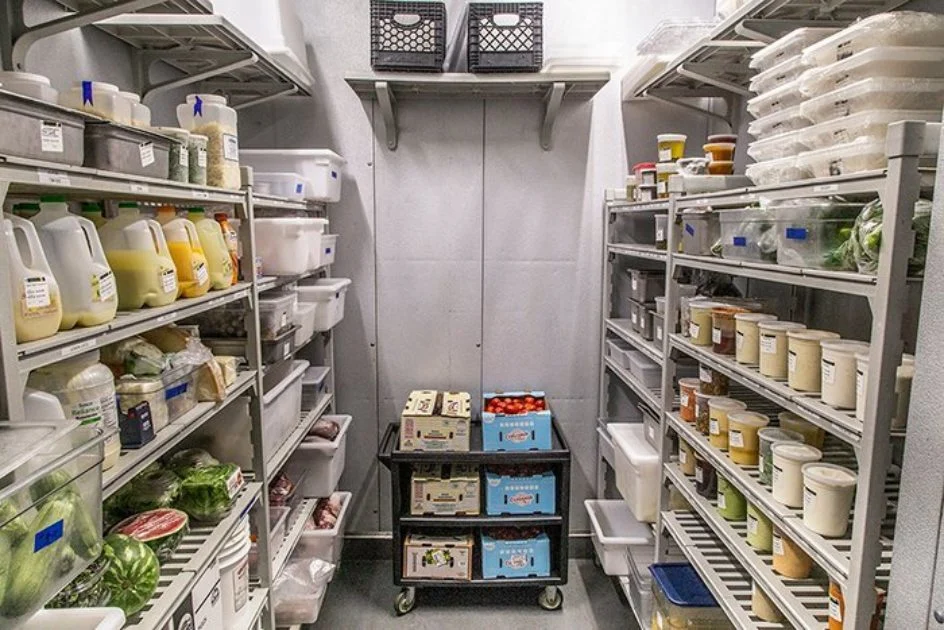
Poor inventory habits quietly drain profits. Overstocking leads to spoilage, while understocking forces emergency purchases at higher prices.
Best practices that actually work:
-
Use par levels to avoid over-ordering
-
Apply FIFO (First In, First Out) consistently
-
Count inventory weekly, not “when there’s time”
-
Track variance between theoretical and actual food cost
Even a 1–2% improvement in food cost can significantly boost net profit.
Engineer Your Menu for Profit
Not all popular items are profitable. Menu engineering helps you spotlight what truly earns money.
Focus on:
-
Promoting high-margin, high-popularity items
-
Reducing portion sizes subtly on low-margin dishes
-
Repricing items where guests won’t notice small increases
-
Removing menu items with high prep time and low returns
A smaller, smarter menu often outperforms a large one.
Labor Cost Control Without Burning Out Staff
Labor is usually the largest controllable expense—and the easiest to mishandle.
Schedule Smarter, Not Leaner
Cutting hours blindly leads to burnout and poor service. Instead:
-
Schedule based on sales forecasts, not habits
-
Cross-train staff to reduce over-staffing
-
Monitor labor cost percentage by daypart
-
Adjust schedules weekly based on real sales data
The goal is efficiency, not exhaustion.
Reduce Turnover to Lower Hidden Costs
High turnover quietly destroys profits through hiring, training, and lost productivity.
Simple ways to reduce it:
-
Clear role expectations
-
Fair, predictable schedules
-
Proper onboarding and training
-
Consistent feedback, not only criticism
Keeping good staff is cheaper than constantly replacing them.
Cut Waste Before Cutting Costs
Waste is often invisible because it feels small—but it adds up fast.
Track and Eliminate Operational Waste
Common sources include:
-
Over-portioning
-
Prep errors
-
Spoilage from poor rotation
-
Unused garnishes and sides
Create a simple waste log. When staff see waste tracked, behavior changes naturally.
Negotiate With Vendors More Than Once a Year
Many restaurants accept price increases without question.
Smart operators:
-
Compare vendor pricing quarterly
-
Negotiate based on volume, not loyalty
-
Ask for contract pricing on high-use items
-
Consolidate vendors to gain leverage
Even small price reductions compound over thousands of orders.
Control Overhead With Routine Reviews
Overhead expenses feel “fixed,” but many aren’t.
Review regularly:
-
Utility usage and peak-hour waste
-
Equipment efficiency and maintenance costs
-
Subscription software that no longer adds value
-
Insurance policies that may be outdated
A quarterly overhead audit often reveals easy savings.
Use Technology That Pays for Itself
Not all tech is worth the cost—but the right tools reduce errors and labor.
Look for systems that:
-
Integrate POS, inventory, and scheduling
-
Provide real-time cost reporting
-
Reduce manual data entry
-
Highlight variances automatically
If a tool doesn’t save time or money, it’s not an investment—it’s an expense.
Build a Cost-Conscious Culture
The strongest cost-control strategy is cultural.
When teams understand:
-
Why costs matter
-
How waste affects job security and growth
-
That efficiency isn’t about punishment
They start protecting profits on their own. Transparency creates accountability without micromanagement.
Final Thoughts
Restaurant cost control isn’t about cutting corners—it’s about eliminating blind spots. With consistent tracking, smarter systems, and engaged staff, even small improvements can transform profitability. The restaurants that survive long-term aren’t always the busiest—they’re the most disciplined.
Frequently Asked Questions
What is a healthy food cost percentage for a restaurant?
Most full-service restaurants aim for 28–35%, while quick-service concepts often target 25–30%, depending on cuisine and pricing.
How often should restaurant inventory be counted?
Weekly inventory counts are ideal. They catch theft, waste, and pricing issues early before losses grow.
Is cutting labor hours the fastest way to save money?
It may seem fast, but it often hurts service and staff morale. Smarter scheduling usually saves more without negative side effects.
Can menu changes really improve profitability?
Yes. Menu engineering often increases profit without increasing traffic by shifting sales toward higher-margin items.
How do small restaurants negotiate with suppliers?
By tracking usage, consolidating vendors, and asking for volume-based pricing—even small operators have leverage when prepared.
What’s the most overlooked cost in restaurants?
Waste. Spoilage, over-portioning, and prep errors quietly drain thousands annually if not tracked.
When should a restaurant invest in cost-control software?
When manual tracking becomes inconsistent or time-consuming. The right software should pay for itself through reduced waste and labor inefficiencies.