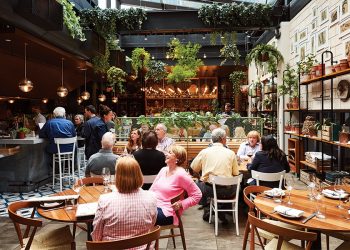
Restaurants represent more than just places to eat—they are dynamic spaces where culinary artistry, cultural expression, and human connection converge. Within their walls, guests embark on sensory journeys shaped by thoughtfully designed menus, inviting atmospheres, and attentive service. A truly remarkable restaurant masterfully balances these elements to create memorable moments that linger long after the last bite. This article explores the multifaceted nature of restaurants, the core pillars behind their success, and how they continue evolving as vital social and cultural institutions.
Defining the Restaurant Experience: Beyond Food and Drink
At its most basic, a restaurant is an establishment that prepares and serves food and beverages to customers. However, the essence of a restaurant transcends this simple definition. It is a curated experience where every sensory detail—from aromas and tastes to visuals and ambiance—harmonizes to evoke pleasure, comfort, and engagement.
Restaurants vary widely in style and scale, from intimate neighborhood bistros to lavish fine dining venues, each creating distinctive identities that reflect their culinary philosophy, cultural roots, and the desires of their guests. Despite these differences, all successful restaurants share the goal of transforming dining into an immersive and joyful experience.
Pillars of Excellence in Restaurant Craft
Delivering an exceptional restaurant experience requires mastery in several interconnected facets:
Culinary Innovation and Quality
-
Inventive Menus with Seasonal Flair: Leading restaurants design menus that balance creativity and tradition, showcasing seasonal and locally sourced ingredients while catering to varied dietary needs.
-
Ingredient Integrity: Prioritizing freshness and sustainability in sourcing elevates flavor while demonstrating ethical commitment.
-
Consistent Execution: Rigorous kitchen standards, trained staff, and quality control ensure dishes meet or exceed expectations consistently.
Warmth and Precision in Service
-
Genuine Hospitality: Friendly, knowledgeable servers cultivate welcoming environments, making guests feel valued and cared for.
-
Smooth Teamwork: Effective communication between kitchen and dining staff ensures timely delivery of courses and a balanced dining pace.
-
Customization: Personalized attentiveness to guest preferences enhances satisfaction and fosters loyalty.
Ambiance and Design
-
Sensory Atmosphere: Thoughtful interplay of lighting, music, decor, and spatial layout shapes mood and complements the cuisine.
-
Comfort and Accessibility: Ergonomic seating, clear navigation, and inclusive design make every guest feel at ease.
-
Cohesive Branding: Visual consistency from signage to menus to staff attire reinforces the restaurant’s personality and story.
Operational and Financial Acumen
-
Strategic Leadership: Balancing creativity with sound management supports sustainability and growth.
-
Regulatory Compliance: Adhering to health and safety standards ensures trust and safety.
-
Technological Integration: Efficient reservation systems, inventory tracking, and digital marketing enhance operations and customer engagement.
Exploring Diverse Restaurant Formats
The restaurant ecosystem is richly varied, each model meeting specific dining needs and occasions:
Fine Dining
Celebrated for technical culinary brilliance, elegant settings, and meticulous service, fine dining offers multisensory, often multi-course experiences rich with innovation and refined detail.
Casual and Family Dining
These venues focus on providing welcoming atmospheres paired with approachable menus suitable for everyday dining or celebrations with family and friends.
Quick Service and Fast Casual
Optimized for convenience and speed without compromising quality, these formats meet busy modern lifestyles with efficient service and flavorful offerings, with fast casual raising the bar on ambiance and ingredient quality.
Cultural and Specialty Restaurants
Spotlighting authentic regional cuisines or culinary themes, these establishments immerse diners in distinctive tastes and cultural narratives, broadening culinary horizons.
Cafés and Bistros
Intimate and often eclectic, cafés and bistros serve artisanal coffees, light meals, and snacks, doubling as social gathering points for communities and creatives.
Trends Shaping Contemporary Restaurants
As cultural values and technologies evolve, so too does the restaurant industry:
-
Sustainability Front and Center: Use of local, organic ingredients, waste reduction programs, and eco-friendly materials is becoming the standard.
-
Diverse Dietary Options: Expanded vegan, vegetarian, gluten-free, and allergen-aware menus meet broader nutritional and ethical demands.
-
Experiential Dining: Open kitchens, chef tables, tasting menus, and themed events add layers of engagement beyond the plate.
-
Digital Transformation: Online bookings, QR-code menus, delivery platforms, and social media marketing blend convenience with customer connection.
-
Hybrid Service Models: Offering combinations of dine-in, takeout, delivery, and meal kits provides flexibility and expands reach.
Overcoming Industry Challenges
Operating a successful restaurant requires navigating several critical challenges:
-
Maintaining Consistency: Standardized procedures and ongoing staff training ensure quality remains high across shifts and seasons.
-
Talent Management: Hiring, training, and retaining skilled team members in a competitive labor market are essential for sustained excellence.
-
Cost and Quality Balance: Strategic sourcing, menu engineering, and operational efficiencies maintain profitability without sacrificing guest experience.
-
Adapting to Market Dynamics: Monitoring trends and adjusting branding, menus, and services keeps restaurants relevant and competitive.
Creating Unforgettable Guest Experiences
Exceptional restaurants create lasting emotional bonds through consistent quality and attention to detail:
-
Personalization: Recognizing and accommodating guest preferences or milestones deepens engagement and fosters repeat visits.
-
Attention to Details: Immaculate table settings, flawless timing, thoughtful touches, and sincere service communicate care.
-
Storytelling: Sharing provenance of dishes, sourcing ethos, and chef inspiration enriches the culinary narrative and guest connection.
Restaurants as Cultural Anchors
Beyond nourishment, restaurants serve as vibrant cultural centers—preserving heritage, fostering innovation, and facilitating social interaction. They reflect societal changes and global influences, functioning as living museums where tradition and modernity coexist.
Conclusion: The Restaurant as a Living Experience
A restaurant’s true essence lies in orchestrating a harmonious blend of inspired cuisine, welcoming service, atmospheric design, and operational excellence. Together, these elements transform dining from a simple act into a shared celebration that delights the senses and nourishes community.
For restaurateurs and culinary professionals, embracing the holistic artistry of the restaurant cultivates venues that resonate deeply with guests—turning meals into treasured memories and dining spaces into cherished havens.
Ultimately, the magic of restaurants rests not only in the food they serve but in the stories they tell, the connections they foster, and the moments of joy they create around every table.