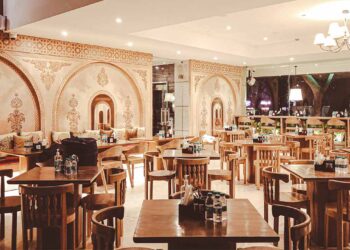
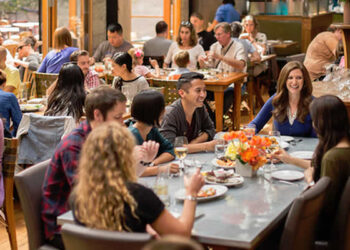
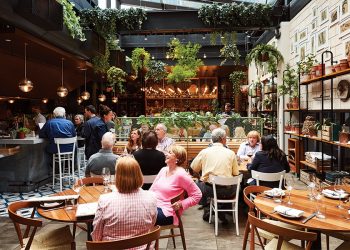
Restaurants are far more than just venues where meals are served—they are immersive experiences where culinary mastery, service excellence, and ambiance converge to create moments that linger in the memory. Each restaurant, whether a quaint family-owned eatery or a prestigious fine dining institution, tells a story through its menu design, atmosphere, and hospitality. A truly outstanding restaurant harmonizes these elements to offer guests not just nourishment, but a sense of occasion and connection. This article delves into the multifaceted nature of restaurants, exploring their cultural value, operational pillars, and the evolving trends reshaping the dining experience.
Defining the Modern Restaurant: Beyond Food and Drink
At the most basic level, a restaurant prepares and serves meals for consumption on-site. But the best establishments go far beyond this transactional definition. They curate experiences that engage all the senses—from the aromas wafting out of the kitchen, to the tone of the décor, to the attentiveness of the staff.
Restaurants serve as gathering places for friends, families, and communities. They are settings for celebrations, business discussions, romantic evenings, and moments of quiet reflection. Every detail—from the pace of service to the playlist in the background—plays a role in shaping those experiences.
The Pillars of Restaurant Excellence
While every restaurant has its own personality, the most successful ones excel at balancing four essential pillars:
Culinary Craftsmanship and Consistency
-
Inventive Menus: Leading restaurants balance innovation with familiarity, offering seasonal dishes, signature items, and options that respect varying dietary preferences.
-
Ingredient Quality: Fresh, responsibly sourced ingredients elevate flavor and showcase respect for the guest’s dining experience.
-
Recipe and Technique Integrity: Consistent preparation methods and rigorous training ensure that guests receive the same quality every visit.
Warm, Professional Hospitality
-
Authentic Service: Staff should embody warmth without intrusiveness, anticipating needs and making every guest feel valued.
-
Fluid Coordination: Seamless communication between the kitchen and front of house prevents delays and ensures a pleasurable dining rhythm.
-
Customization: The ability to accommodate allergies, preferences, and special requests enhances guest loyalty.
Memorable Ambiance and Design
-
Sensory Alignment: Lighting, soundscapes, and décor should complement the cuisine style, creating a fluid, enveloping experience.
-
Comfort and Accessibility: Well-planned seating, clear pathways, and inclusive design ensure every diner feels welcome.
-
Cohesive Branding: Menus, signage, uniforms, and even the plating style should express the restaurant’s concept and personality.
Smart Operations and Business Acumen
-
Efficient Management: Strategic planning, cost control, and resource optimization are vital for financial stability.
-
Regulatory Excellence: Compliance with health, safety, and labor regulations builds reliability and trust.
-
Technology Integration: Reservation platforms, POS systems, and inventory tracking streamline service and enhance customer satisfaction.
Exploring Different Restaurant Styles
The world of restaurants is diverse, offering countless ways for guests to dine and for owners to express their vision:
Fine Dining
This segment emphasizes high cuisine artistry, exceptional service, and curated ambience. Multi-course tasting menus and exceptional wine pairings take guests on a refined gastronomic journey.
Casual Dining
Accessible and comfortable, casual restaurants cater to everyday meals and friendly gatherings while still offering quality food and attentive service.
Quick Service and Fast Casual
Designed for efficiency, these establishments suit diners on the go. Fast casual concepts raise the bar with fresher ingredients and more sophisticated menu options while preserving speed.
Ethnic and Themed Restaurants
These venues immerse diners in authentic or creative interpretations of global cuisines, often highlighting cultural traditions through both menu and décor.
Cafés and Bistros
Small and typically intimate, cafés and bistros specialize in lighter fare, coffee, and pastries, often becoming social hubs for communities.
Trends Redefining the Restaurant Landscape
Restaurants are dynamic entities, always evolving in response to societal shifts, technological advances, and changing tastes:
-
Sustainable Practices: A focus on local sourcing, reduced food waste, and eco-friendly materials speaks to environmentally conscious diners.
-
Plant-Forward Menus: Expanding vegetarian and vegan options aligns with health and ethical awareness.
-
Technology-Enhanced Service: QR menus, contactless payment, and online reservations bring convenience to both diners and staff.
-
Immersive Experiences: Open kitchens, chef’s tables, and themed dining events create deeper engagement beyond the plate.
-
Hybrid Business Models: Many restaurants now blend dine-in, takeaway, delivery, and meal kit offerings to reach broader audiences.
Challenges in Restaurant Management
Running a restaurant is as much a test of resilience as it is of creativity:
-
Consistency Under Pressure: High standards must be maintained during peak service hours without compromising quality.
-
Talent Acquisition and Retention: Skilled staff are essential, and cultivating a positive work culture is key to keeping them.
-
Balancing Cost and Value: Successful operators sustain profitability while delivering experiences that diners perceive as worth the price.
-
Market Adaptability: Staying alert to culinary trends, economic changes, and competitive forces supports longevity.
Creating Unforgettable Guest Experiences
Restaurants that inspire loyalty and recommendation go beyond serving good food—they evoke emotion and connection:
-
Personalization: Remembering returning guests’ preferences or celebrating a special occasion makes the experience uniquely personal.
-
Attention to Detail: Flawless table settings, balanced pacing, and polished service communicate care and professionalism.
-
Storytelling: Sharing the origin of a signature dish or the inspiration behind the menu fosters a richer dining narrative.
Restaurants as Cultural and Social Anchors
Restaurants play a key role in preserving traditions, introducing new flavors, and acting as cultural bridges. They are spaces where people from different backgrounds convene to share food—and in doing so, share stories and perspectives. In this way, they act as cultural hubs, strengthening community identity while celebrating diversity.
Conclusion: The Restaurant as an Artform and Institution
A restaurant’s magic lies in its ability to combine culinary excellence, authentic hospitality, aesthetic appeal, and operational finesse into one holistic experience. For restaurateurs, success comes from recognizing that every detail is part of a broader symphony—each note essential in crafting an unforgettable meal.
For diners, restaurants offer something priceless: a place to connect, celebrate, and savor life’s moments through the universal language of food. Whether enjoyed over an elaborate tasting menu or a simple cup of coffee in a cozy café, the restaurant experience remains one of humanity’s most cherished cultural rituals—an enduring testament to our shared need for flavor, beauty, and connection.