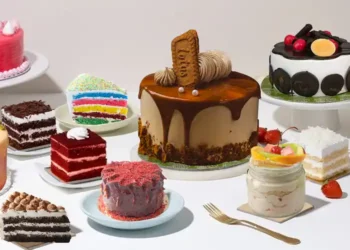
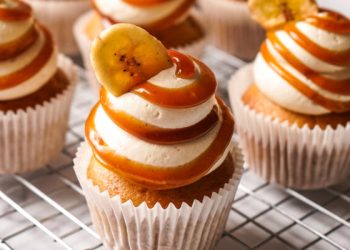
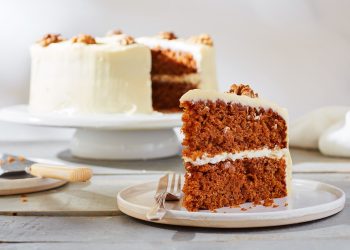
Gluten-free baking has come a long way from dry loaves and crumbly cookies. With the right ingredients, techniques, and a little patience, gluten-free baked goods can be just as fluffy, rich, and satisfying as their traditional counterparts. Whether you’re baking due to dietary needs or personal preference, it’s absolutely possible to create treats people genuinely want to eat.
Why Gluten-Free Baking Is So Often Disappointing
The main challenge in gluten-free baking is the absence of gluten, the protein responsible for elasticity and structure in dough. Without it, baked goods can easily turn out dense, gritty, or bland.
Common issues include:
-
Dry or crumbly texture
-
Flat flavors
-
Poor rise and structure
The good news is that these problems aren’t inevitable. They’re usually the result of using the wrong flour blend or skipping key binding ingredients.
Understanding Gluten-Free Flours (This Changes Everything)
One gluten-free flour rarely works on its own. The best results come from combining different types that balance structure, moisture, and flavor.
Core Gluten-Free Flour Categories
-
Whole grain flours: Brown rice flour, sorghum, millet
Add body and mild flavor -
Starches: Tapioca starch, potato starch, cornstarch
Provide lightness and chew -
Nut flours: Almond flour, hazelnut flour
Add moisture and richness
Pro tip: If you’re new to gluten-free baking, start with a high-quality pre-made gluten-free flour blend that already balances these elements.
The Secret Ingredients That Make Gluten-Free Baking Taste “Normal”
What separates mediocre gluten-free baking from amazing results is structure and moisture.
Must-Have Additions
-
Xanthan gum or psyllium husk
Mimics gluten’s binding power -
Eggs
Improve structure and richness -
Yogurt, sour cream, or buttermilk
Add moisture and tenderness -
Oil or melted butter
Prevent dryness and extend freshness
Using these strategically transforms texture and mouthfeel in a big way.
Techniques That Instantly Improve Results
Even the best ingredients can fail without the right method.
Gluten-Free Baking Best Practices
-
Let batters rest for 20–30 minutes before baking to hydrate flours
-
Use lower oven temperatures to prevent drying out
-
Mix thoroughly since overmixing isn’t an issue without gluten
-
Cool completely before slicing, especially for bread
Patience here pays off with noticeably better texture.
Gluten-Free Baking That Wins Over Everyone
Some recipes shine especially well when made gluten-free.
Crowd-Pleasing Options
-
Cookies – Naturally forgiving and chewy
-
Brownies – Rich fats mask texture differences
-
Quick breads – Banana, pumpkin, and zucchini breads excel
-
Cakes with oil-based batters – Moist and tender by default
Start with these if you’re baking for skeptics.
Making Gluten-Free Baking Taste Like “Real” Baking
Flavor matters just as much as texture. Gluten-free flours can taste bland or slightly bitter if not balanced correctly.
Ways to boost flavor:
-
Add vanilla, citrus zest, or spices
-
Use brown sugar or honey instead of only white sugar
-
Toast nut flours lightly before baking
These small adjustments make baked goods taste intentionally delicious, not “diet” food.
Common Mistakes to Avoid
-
Using only one gluten-free flour
-
Skipping binders like xanthan gum
-
Overbaking “just to be safe”
-
Expecting gluten-free dough to behave like wheat dough
Once expectations shift, results improve fast.
FAQ
Is gluten-free baking healthier than regular baking?
Not always. Gluten-free baked goods can still be high in sugar and fat. The health benefit mainly applies to those with gluten intolerance or celiac disease.
Can I substitute gluten-free flour 1:1 in any recipe?
Only if the flour blend is specifically labeled as a 1:1 replacement. Otherwise, texture and structure may suffer.
Why does my gluten-free bread sink after baking?
This often happens due to too much moisture, underbaking, or insufficient binding agents like psyllium husk or xanthan gum.
Do gluten-free baked goods go stale faster?
Yes, they tend to dry out quicker. Storing them airtight or freezing leftovers helps preserve freshness.
Is xanthan gum absolutely necessary?
Not always, but most recipes benefit from it. Psyllium husk or chia seeds can sometimes work as alternatives.
Can gluten-free baking be vegan too?
Yes, but it’s more challenging. You’ll need effective egg substitutes and careful moisture control.
What’s the easiest gluten-free dessert for beginners?
Cookies and brownies are the most forgiving and deliver great results with minimal adjustments.