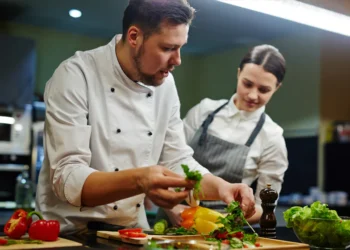
The role of a chef is a remarkable blend of artistry, leadership, and technical mastery. A chef is much more than a skilled cook—they are visionary creators who meld flavors, cultures, and emotions to craft experiences that nourish the body and inspire the soul. Beyond the kitchen, chefs embody innovation, mentorship, and cultural advocacy, shaping not only dishes but also the culinary landscape and social narratives connected to food. This article offers an original, elegant exploration of the multifaceted profession of the chef—delving into the essential skills, evolving responsibilities, creative processes, and the profound impact chefs have on both cuisine and community.
Defining the Chef: More Than Culinary Craftsmanship
At its core, a chef is a professional expert who combines deep understanding of ingredients, cooking techniques, and kitchen operations to create exceptional food. However, the modern chef’s influence goes far beyond food preparation. They are inspired innovators who respect tradition while pushing boundaries, effective leaders who manage dynamic teams, and storytellers who convey culture, identity, and emotion through food presentation and experience.
Chefs harmonize precision and intuition, blending flawless technical execution with creative expression, transforming the act of cooking into an evocative performance that invites diners into a shared sensory journey.
Core Skills and Attributes of Exemplary Chefs
Success in the demanding culinary world requires a rich combination of specialized skills and personality traits:
-
Culinary Mastery: Proficiency in a wide spectrum of cooking methods, seasoning, flavor balancing, and artistic plating ensures consistent, top-quality creations.
-
Innovative Creativity: A willingness to experiment and reinterpret classic recipes alongside the introduction of novel ingredients and techniques propels culinary evolution.
-
Leadership Excellence: Communication and team motivation foster productive, positive kitchen environments that bring out the best in every staff member.
-
Unwavering Attention to Detail: From sourcing premium ingredients and maintaining hygiene to perfecting plating and timing, meticulous care distinguishes great chefs.
-
Physical and Emotional Stamina: The ability to sustain high energy, focus, and composure in fast-paced, high-pressure kitchens is essential.
-
Business Savvy: Understanding budgeting, supplier relations, inventory management, and customer engagement underpins a chef’s success beyond the stove.
-
Cultural Awareness: Embracing diverse cuisines and dietary preferences enriches creativity and ensures inclusivity.
The Culinary Pathway: From Aspiring Cook to Visionary Chef
The journey to becoming a chef is often marked by progressive learning and growth:
-
Foundational Training: Many start in apprentice or line cook roles, acquiring essential skills and discipline through hands-on experience under mentorship.
-
Formal Education: Culinary schools provide scientific knowledge and technical training that bolster foundational understanding and refine techniques.
-
Specialization and Advancement: Chefs may focus on areas such as pastry, butchery, or regional cuisines, rising through kitchen hierarchies from sous chef to executive chef levels.
-
Lifelong Learning: To remain relevant and inspired, chefs actively engage with emerging trends, new technologies, and sustainable practices, embracing innovation while honoring heritage.
The Expanding Role of the Chef Today
Chefs today take on a variety of roles extending beyond the kitchen:
-
Menu Designer: Crafting menus that harmonize seasonality, flavor balance, dietary needs, and aesthetic appeal.
-
Quality Inspector: Overseeing ingredient sourcing, ensuring food safety, and maintaining consistency across services.
-
Team Leader and Mentor: Recruiting, training, scheduling, and cultivating skilled, motivated culinary teams.
-
Guest Ambassador: Engaging diners by sharing stories behind dishes and personalizing the dining journey.
-
Sustainability Advocate: Promoting ethical sourcing, minimizing waste, and incorporating green practices in kitchen management.
Culinary Presentation: Food as Visual Storytelling
A chef’s creative expression extends to the plate’s presentation. Through artful use of color, texture, shape, and arrangement, chefs compose edible narratives that heighten anticipation and delight. Elegantly plated dishes, garnished with edible flowers, creative sauces, and refined flourishes, invite diners to see, smell, and taste food as a multisensory experience.
Overcoming Challenges: Resilience and Strategy for Culinary Success
The chef’s profession is rife with demanding challenges:
-
High-Pressure Environment: Maintaining calm focus, clear communication, and teamwork under intense and fast-paced conditions is essential.
-
Physical Demands: Managing fatigue, preventing injury, and ensuring wellbeing through self-care allows career longevity.
-
Consistency: Standardizing recipes, rigorous training programs, and regular quality checks secure dependable excellence across shifts.
-
Adapting to Trends: Anticipating and responding to dietary shifts, ingredient innovations, and sustainability expectations sustains competitiveness.
-
Budget Management: Strategic supplier relations and cost controls balance financial health alongside culinary quality.
Mastering these elements requires discipline, flexibility, and strong leadership.
Advice for Aspiring Chefs
-
Pursue rigorous culinary education combined with diverse, practical experiences.
-
Develop patience, openness to feedback, and a lifelong learning mindset.
-
Hone leadership and communication skills equal to technical cooking abilities.
-
Expand culinary horizons by exploring global cuisines and contemporary nutrition.
-
Prioritize physical and emotional wellness for sustainable careers.
-
Build mentorship relationships and professional networks for growth and support.
The Chef as Cultural Ambassador and Innovator
Chefs play critical cultural roles, preserving traditional culinary arts while pioneering new food movements that broaden palates and foster cultural exchange. Many champion social causes such as nutrition education, ethical sourcing, and food justice, leveraging their platforms to inspire responsible and equitable practices.
Conclusion: The Chef as Visionary Creator and Leader
Chefs epitomize the harmonious blend of craftsmanship, innovation, leadership, and cultural storytelling. Their work elevates food from mere sustenance to evocative experiences that nourish bodies and foster connection.
Driven by passion and guided by discipline, chefs shape not only menus but also the social and cultural fabric surrounding the dining table. The chef’s journey offers endless opportunity for mastery, creativity, and meaningful impact—each dish a testament to the enduring power of culinary artistry.