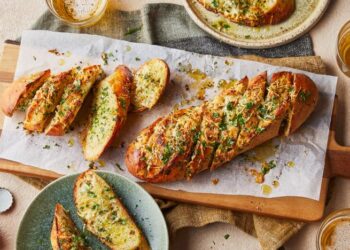
Recipes are much more than simple instructions for assembling ingredients; they are the rich narratives of food culture, culinary science, and creative expression. Each recipe acts as a bridge, connecting generations, regions, and individual cooks through shared flavors and traditions. Whether passed down as treasured family heirlooms or innovated upon by inspired chefs, recipes empower both novice and seasoned cooks to explore the worlds of taste, technique, and storytelling. This article provides an original, thoughtful examination of recipes, their integral elements, cultural significance, and how they enrich and elevate the culinary experience.
Recipes as Living Narratives of Flavor and Tradition
At their foundation, recipes provide clear, step-by-step guidance designed to ensure consistency and success in cooking. Yet beyond this utilitarian role, the best recipes convey history, identity, and personality. They capture the essence of place, season, and family, inviting cooks into a dialogue that balances precise methodology with room for personal intuition and artistry.
Far from static manuals, recipes are dynamic documents—evolving over time as ingredients change, trends shift, and individual creativity flourishes. In this way, they serve as both educational blueprints and creative springboards, preserving culinary heritage while encouraging innovation.
The Anatomy of an Exemplary Recipe
The power of a recipe lies in its clarity, precision, and engagement. Key components include:
Evocative and Informative Titles
A recipe’s title does more than identify a dish—it invites curiosity and sets the tone. Whether highlighting a unique ingredient, cooking method, cultural origin, or occasion, a thoughtfully crafted title draws readers in and frames their culinary journey.
Detailed and Sequential Ingredient Lists
-
Order of Use: Listing ingredients in the sequence they are added helps cooks follow instructions intuitively and avoid confusion.
-
Exact Measurements: Providing precise quantities with standardized units fosters reliable and repeatable outcomes.
-
Substitution Suggestions: Including alternatives accommodates dietary restrictions and ingredient availability.
-
Ingredient Quality Tips: Guidance on selecting the freshest or best-quality ingredients enhances the final dish’s flavor and texture.
Clear, Stepwise Instructions
-
Logical Breakdown: Dividing preparation and cooking into manageable, chronological steps prevents overwhelm and supports cooking flow.
-
Technique Explanations: Defining cooking terms and methods educates novices and enriches understanding.
-
Sensory Cues: Descriptions of appearance, aroma, and texture help cooks assess progress beyond timers and temperatures.
Time Estimates and Yield
Including preparation time, cooking duration, and number of servings enables efficient planning and realistic expectations.
Presentation and Serving Ideas
Suggestions for plating, garnishes, and complementary dishes enrich the dining experience and invite personal touches.
Nutritional and Variation Notes
When relevant, including dietary information, allergen warnings, and possible adaptations assists health-conscious or adventurous cooks.
Maximizing the Potential of Recipes
Read Thoroughly Before Beginning
Familiarity with all steps prior to starting helps organize ingredients, equipment, and timing, making the cooking process smoother and more enjoyable.
Practice Mise en Place
Adopting the classic culinary principle of “everything in its place” by prepping ingredients and tools beforehand fosters efficiency, precision, and calm.
Embrace Flexibility and Creativity
While faithful execution builds a foundation of skills, personalized seasoning, ingredient swaps, and technique variations enable cooks to make recipes their own.
Keep a Culinary Journal
Recording successes, tweaks, and lessons deepens mastery and encourages ongoing exploration and refinement.
Recipes as Cultural Treasures and Evolving Traditions
Recipes are vessels of cultural identity, preserving regional ingredients, cooking techniques, and familial memories. They function as culinary heirlooms passed down through generations and communities, embodying heritage and continuity.
Simultaneously, recipes are living entities, evolving to incorporate new ingredients, health-conscious trends, and sustainability practices—reflecting the dynamic and diverse nature of contemporary food culture.
The Digital Age: Expanding Access, Interaction, and Innovation
Technological advances have transformed how recipes are discovered, shared, and adapted:
-
Multimedia Enhancements: High-quality photos, video demonstrations, and interactive tutorials demystify techniques and boost engagement.
-
Community Interaction: Comments, user ratings, and shared modifications encourage collaborative learning and broaden perspectives.
-
Smart Kitchen Connectivity: Integration with apps and appliances offers precise timing, temperature control, and step reminders, enhancing success and convenience.
Despite technological tools, empathetic, clear, and engaging writing remains the core of compelling recipe communication.
Crafting Your Own Recipes: An Invitation to Create
For aspiring recipe creators:
-
Test Extensively: Multiple iterations ensure clarity, flavor balance, and reproducibility.
-
Tailor to Your Audience: Adjust language and detail to suit beginners or experienced cooks, balancing technical accuracy with accessibility.
-
Balance Detail and Brevity: Offer enough guidance to empower without overwhelming.
-
Add Personal Touches: Sharing anecdotes, tips, and troubleshooting advice enriches connection and usability.
-
Include Visuals: Illustrative photographs or videos inspire confidence and clarify complex steps.
Each shared recipe becomes part of a living culinary tapestry—a fusion of knowledge, passion, and generosity welcoming others into your kitchen.
Conclusion: Recipes as Gateways to Culinary Joy and Connection
Recipes are profound conduits of culture, science, and creativity that elevate cooking from routine to art. They educate, inspire, and invite exploration—transforming the kitchen into a place of personal expression and shared celebration.
Approached with respect and curiosity, recipes become versatile companions, guiding cooks toward mastery, adventure, and community within the universal language of food.
Ultimately, the true magic of recipes lies in their enduring invitation: to learn, to innovate, and to savor life’s rich bounty with grace, heart, and shared generosity.