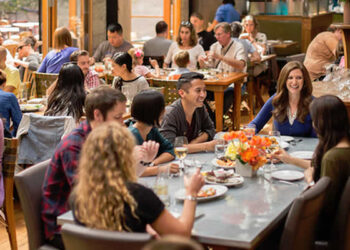
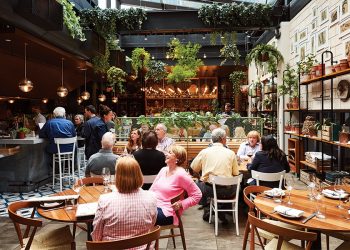
A restaurant is far more than a location where meals are served—it is a holistic experience where culinary artistry, ambient design, and genuine hospitality intertwine to create moments that linger in memory. Every detail within a restaurant, from the composition of its menu to the subtle cadence of service and the atmosphere crafted by sight and sound, combines to tell a story of flavor, culture, and community. This article offers a unique and nuanced exploration of the restaurant’s evolving role, the pillars of its success, and how it continues to be an essential hub for social interaction and cultural expression.
Defining the Restaurant: Beyond Food and Dining
At its simplest, a restaurant is a business that prepares and serves food and beverages to guests in exchange for payment. However, to truly understand a restaurant is to recognize its role as a curated environment where multiple senses are engaged and emotions evoked. It is a place where culinary innovation meets tradition; where people gather not just to eat, but to connect, celebrate, and find comfort.
Restaurants range widely in expression—from intimate neighborhood bistros serving time-tested favorites to avant-garde fine dining temples pushing gastronomic boundaries. Each presents a unique identity shaped by its culinary philosophy, design, and the experience it promises to its clientele. Despite these differences, the finest restaurants share a dedication to creating meaningful interactions around food.
Pillars of an Exceptional Restaurant
Successful restaurants flourish by mastering a balanced combination of culinary excellence, service quality, ambience, and operational efficiency.
Culinary Innovation and Consistency
-
Dynamic Menus: Exceptional restaurants craft menus that harmonize classic and contemporary elements while spotlighting seasonal and local ingredients.
-
Ingredient Integrity: Commitment to quality sourcing—fresh, sustainable, and traceable—elevates flavor and demonstrates ethical hospitality.
-
Meticulous Execution: Rigorous kitchen practices and trained staff ensure each dish reflects consistent standards that build guest trust and loyalty.
Warmth and Excellence in Service
-
Attentive Hospitality: Genuine, knowledgeable, and unobtrusive service fosters an inviting atmosphere where guests feel truly valued.
-
Seamless Coordination: Synergistic communication between kitchen and dining staff orchestrates smooth pacing throughout the guest experience.
-
Personalized Touches: Recognition of individual preferences and thoughtful accommodation enhances engagement and satisfaction.
Thoughtful Ambiance and Design
-
Sensory Cohesion: Carefully curated lighting, sound, décor, and spatial arrangement create atmospheres that complement and elevate the cuisine.
-
Comfort and Accessibility: Ergonomic seating, clear navigation, and inclusivity ensure a welcoming environment for all guests.
-
Brand Voice: Consistent visual and thematic elements from signage to staff apparel express the restaurant’s distinct identity.
Operational and Financial Excellence
-
Strategic Leadership: Balancing creativity with sound management facilitates sustainability and evolving innovation.
-
Compliance and Safety: Adherence to health, safety, and licensing regulations protects clients and reinforces credibility.
-
Technological Integration: Efficient reservation systems, inventory control, and digital marketing enhance productivity and customer satisfaction.
Diverse Restaurant Models: Catering to Every Palate and Occasion
Restaurants embody myriad forms, each designed to meet unique dining preferences and contexts.
Fine Dining
An epitome of culinary artistry, fine dining venues offer meticulously crafted multi-course menus, luxurious ambiance, and impeccable service that transform meals into sensory journeys.
Casual and Family-Friendly
Focused on approachability and comfort, these establishments provide balanced menus and unpretentious atmospheres ideal for everyday dining and family gatherings.
Quick Service and Fast Casual
Meeting the demands of busy lifestyles, these formats emphasize speed and convenience while balancing flavor and quality, with fast casual venues often bridging casual with refinement.
Ethnic and Specialty Restaurants
Celebrating authentic regional cuisines or thematic concepts, these restaurants immerse diners in cultural narratives through distinctive flavors and traditions.
Cafés and Bistros
Known for their intimate charm, these venues often serve artisanal coffees and light fare, becoming vibrant community spaces for socializing and creativity.
Evolving Trends Shaping the Restaurant Industry
The restaurant sector continually adapts to shifting cultural values, technological advancements, and consumer expectations.
-
Sustainability and Localism: Increasing focus on farm-to-table sourcing, waste reduction, and eco-friendly practices aligns hospitality with environmental stewardship.
-
Dietary Diversity: Broadening availability of plant-based, allergen-conscious, and health-focused options responds to evolving dietary preferences and wellness awareness.
-
Experiential Dining: Interactive elements such as open kitchens, chef’s tables, or themed events deepen guest involvement and enrich the narrative.
-
Digital Engagement: Online browsing, reservations, touchless payment, delivery platforms, and curated social content create seamless, multi-channel customer experiences.
-
Hybrid Service Models: Combining dine-in, takeaway, delivery, and meal subscriptions fuels business resilience and broadens audience reach.
Navigating Challenges in Restaurant Management
Running a restaurant demands strategy, agility, and resilience to address complex challenges.
-
Consistent Quality Under Pressure: Through standardized protocols and ongoing training, restaurants maintain excellence amidst fluctuating demand.
-
Staff Retention and Training: Investing in employee development, fostering supportive culture, and providing growth opportunities are key to retaining skilled personnel.
-
Managing Cost vs. Experience: Smart sourcing, menu design, and operational efficiency balance profitability with uncompromised hospitality.
-
Staying Current: Continuous innovation and responsiveness to cultural and economic shifts ensure long-term relevance.
Crafting Unforgettable Guest Experiences
Beyond food, restaurants thrive by creating emotional resonance.
-
Personal Service: Remembering preferences, celebrating milestones, and flexible accommodation deepen connection.
-
Detail Orientation: Impeccable timing, elegant presentation, and subtle gestures convey professionalism and genuine care.
-
Narrative Sharing: Educating guests about ingredient sourcing, chef inspiration, or culinary traditions enriches the dining journey.
Restaurants as Cultural Gateways
Restaurants serve as communal hearths where heritage is preserved and cultural exploration flourishes. They connect people through shared rituals around food, reflecting social change while fostering dialogue and diversity.
Conclusion: The Restaurant as a Living Artform
The restaurant is a dynamic ecosystem where inspired cuisine, warm hospitality, sensory design, and operational prowess converge. This synergy transforms dining from nourishment into a celebration—creating memorable experiences that resonate far beyond the table.
For restaurateurs, embracing this integrated vision fosters not only business success but also cultural contribution and community building. For diners, restaurants offer a space to enjoy, connect, and discover—a living testament to the power of food as art, memory, and connection.