For many kitchens, cooking is about textures, smells and memories. Sooji flour offers all of that with its golden grains. It is the secret ingredient that makes a rainy morning cup of upma extra special, gives the crunch to your fried pakora, or the melt-in-your-mouth texture of your favourite halwa.
Unlike regular flour, which blends in without notice, sooji flour leaves its mark on every dish. You can feel it with every mouthful, offering just the right combination of texture, taste and warmth that makes food so magical to cook.
What Is Sooji Flour?
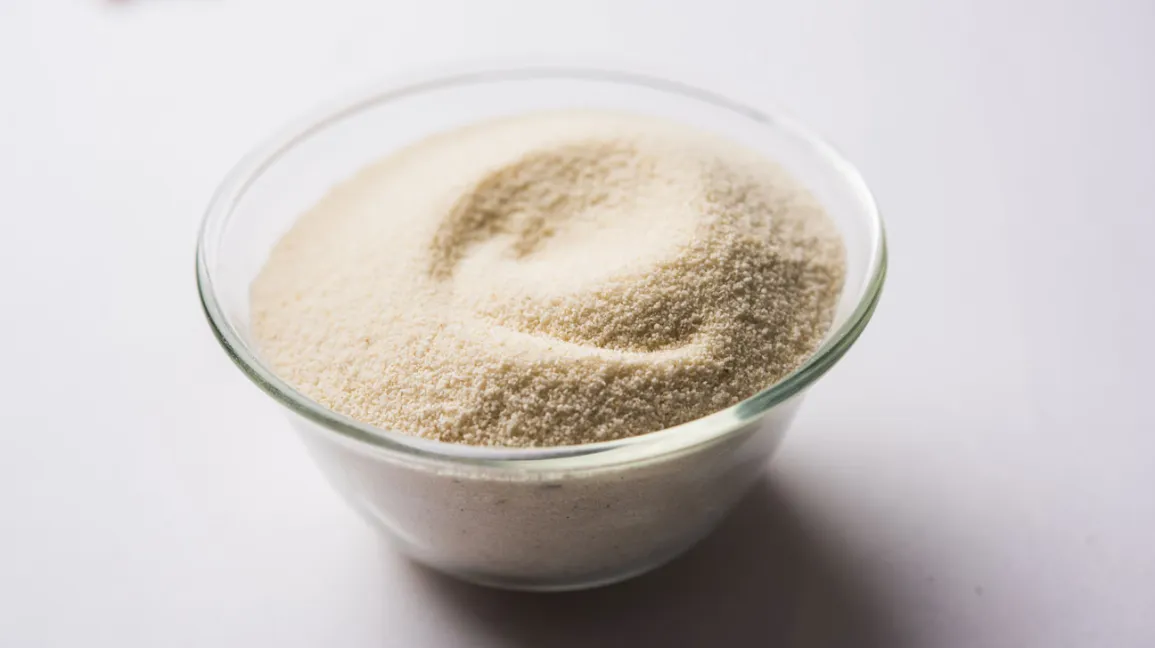
Sooji flour or semolina flour is created from durum wheat. It is a light-coloured flour and coarser than other grain flours. Recipes made with sooji flour will taste different from those made with other grains.
Sooji flour is popular across the globe, including Mediterranean, Middle Eastern and Indian cuisine. The ingredient is used in a number of ways, from fluffy upma to delicious halwa.
Key characteristics of sooji flour-
- Coarse and grainy texture
- Light golden or creamy color
- Slightly nutty flavor
- High in protein compared to regular flour
What Is Regular Flour?
Regular flour or maida is finely milled from wheat grains. It has a soft and powdery texture and is often used for baking bread, cakes, pastries, and more.
Regular flour goes through processing that removes both the bran and germ from the grain. This results in having a smoother texture and a subtle flavour.
Common features of regular flour-
- Fine and soft texture
- Pure white appearance
- Mild and subtle flavour
- Versatile for baking and cooking
Sooji Flour vs Regular Flour
| Feature | Sooji Flour | Regular Flour |
| Texture | Coarse, grainy | Fine, powdery |
| Wheat Type | Durum wheat | Common wheat |
| Color | Pale yellow | White |
| Protein Content | Higher | Moderate |
| Common Uses | Upma, halwa, pasta, snacks | Bread, cakes, pastries |
| Cooking Outcome | Slightly firm, textured | Soft, smooth |
How Texture Changes Everything
One of the biggest differences lies in texture. Unlike regular flour, sooji flour takes longer to absorb liquids, giving dishes a firmer texture and helping them hold their shape.
For example-
- Sooji adds a golden and crispy texture after frying when used in batters.
- In desserts, it provides a subtle grainy richness that enhances the flavour.
- In savoury dishes, it helps foods keep their shape and structure better than soft flour.
Regular flour, on the other hand, mixes easily and produces soft, light, and airy textures, making it perfect for cakes and breads.
When To Use Sooji Flour
- Perfect for recipes where texture plays a key role.
- Adds texture to quick breakfasts such as upma or porridge.
- Brings a rich and hearty mouthfeel to desserts like halwa or dense cakes.
- Works wonderfully as a coating for frying, giving foods a crisp and satisfying crunch.
When Regular Flour Works Better
- Great for making cookies, cakes, and light and airy pastries.
- Makes soft rotis and fluffy breads that stay tender.
- Thickens sauces and gravies, creating a creamy consistency.
- Works well in smooth batters for pancakes, crepes, or other tender dishes.
Can You Substitute One For The Other?
A lot of people ask this, and the answer depends on the recipe.
- You can use sooji flour instead of regular flour in some recipes, but the result will be denser and more textured.
- If you use regular flour instead of sooji, the crunch or firmness may be subtle.
Final Thoughts
If you are looking to get a taste of various textures, traditions, and creativity in the kitchen, then sooji flour can certainly help you do so. The golden grains can be a healthy and comforting part of some of the most favourite foods.
With sooji flour, you can make cooking a journey where every bite tells a story, and every dish makes you feel warm and happy.