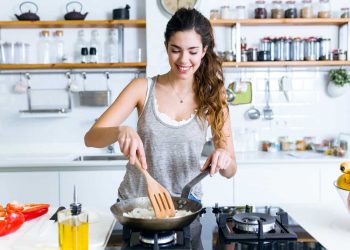
Start with the Right Ingredients
The foundation of any great dish lies in the quality of its ingredients. Fresh produce, high-quality meats, and well-sourced spices contribute significantly to flavor and texture. Opt for seasonal fruits and vegetables, as they offer superior taste and nutritional value. When selecting proteins, consider their origin and opt for organic or grass-fed varieties whenever possible. Spices lose their potency over time, so regularly refresh your collection to maintain vibrancy in your dishes.
Master Knife Skills for Efficiency
Proper knife techniques enhance both efficiency and safety in the kitchen. A well-sharpened knife not only makes chopping easier but also reduces the risk of accidents. Learn fundamental cuts such as julienne, dice, and chiffonade to ensure even cooking and professional presentation. Invest in a high-quality chef’s knife and maintain it through regular honing and sharpening. Using the appropriate knife for each task—paring for small jobs, serrated for bread, and chef’s knife for most other preparations—ensures precision.
Balance Flavors Thoughtfully
Creating a well-balanced dish involves mastering the five essential tastes: sweet, sour, salty, bitter, and umami. Understanding how these elements interact allows for depth and complexity in your cooking. When a dish feels flat, consider adding acidity through citrus or vinegar. If something tastes too harsh, a touch of sweetness can bring harmony. Salt should be used judiciously to enhance flavors without overpowering them. Experimenting with herbs and spices further refines the overall composition of a dish.
Use Heat Correctly for Best Results
Different ingredients require specific heat levels to develop their best textures and flavors. High heat is ideal for searing meats, creating a flavorful crust while locking in moisture. Low heat is best for delicate proteins such as fish or eggs, ensuring tenderness without overcooking. Controlling temperature properly prevents common mistakes such as burning garlic or overcooking pasta. A kitchen thermometer is an invaluable tool for achieving perfect doneness, especially for meats and baked goods.
Master the Art of Seasoning
Proper seasoning is the key to bringing out the best in any dish. Salt should be added in layers throughout the cooking process rather than all at once. This technique ensures an even distribution of flavor. Freshly ground pepper offers a more complex taste than pre-ground varieties. Beyond salt and pepper, experimenting with fresh herbs, infused oils, and finishing touches like citrus zest can provide new dimensions of flavor.
Understand the Importance of Resting Time
Allowing food to rest after cooking is an often-overlooked but essential step. Meats, in particular, benefit from a few minutes of resting time, which allows juices to redistribute evenly, ensuring a more succulent bite. Resting also applies to baked goods; letting bread or cakes cool prevents unwanted texture issues. Even pasta dishes benefit from a brief pause, allowing flavors to meld fully before serving.
Control Moisture for Better Cooking
Excess moisture can affect texture and cooking outcomes. Pat meats and vegetables dry before searing to encourage proper browning. When roasting vegetables, spacing them apart prevents steaming and allows for even caramelization. Dough-based recipes such as bread or pastry require precise hydration levels for the perfect balance between crispness and tenderness. Learning to manage moisture levels elevates the final presentation of any dish.
Learn Proper Storage Techniques
Proper storage preserves the quality and longevity of ingredients. Fresh herbs last longer when stored in damp paper towels inside an airtight container. Dairy products such as butter and cheese maintain their best quality when kept in their original packaging or wrapped securely. Dry goods like flour and rice should be stored in airtight containers to prevent spoilage and contamination. Understanding optimal storage methods reduces waste while ensuring peak flavor in your cooking.
Taste and Adjust as You Go
Tasting throughout the cooking process allows for adjustments that refine the final dish. Flavors develop and change during cooking, so checking seasoning and acidity at various stages ensures a well-rounded result. Keeping a balanced palate enables you to detect what a dish needs—whether a pinch of salt, a splash of acid, or a hint of spice. Developing this habit transforms good cooking into exceptional culinary craftsmanship.
Experiment with Cooking Techniques
Each cooking method influences flavor and texture uniquely. Roasting intensifies natural sweetness, while steaming preserves delicate flavors. Braising creates tender, deeply flavorful dishes, while grilling imparts a smoky complexity. Exploring various techniques expands your skill set and introduces new possibilities for flavor combinations. Mastering multiple methods allows for adaptability in different culinary situations.
Cooking is an ever-evolving skill that thrives on patience, practice, and attention to detail. Whether refining fundamental techniques or exploring new culinary styles, dedication to quality and precision transforms everyday cooking into an art form.